 This site's day trip
Kumano Grand Shrines
Coach day from Osaka
- Time
- 13 hours
- Walk
- 20 to 40 minutes
- Price
- from $103
Guides
Language
EnglishCurrency
US dollar · $Your currency applies on GetYourGuide too.
Guide · Comparison
Kumano Kodo vs Nakasendo is the choice most hikers in Japan face: a pilgrimage to forest shrines in the south, or an old highway of wooden post towns in the mountains of central Japan.
Editorial team, kumanokodohike.comUpdated October 22, 20266 minutes to read34 sources
In short
The two trails grew from different needs. The Kumano Kodo is a network of pilgrim roads that people of every rank, retired emperors included, have walked to Kumano for more than a thousand years.1 Its goal is spiritual: the three Grand Shrines of the Kumano Sanzan, Hongu, Hayatama and Nachi.2 The routes became UNESCO World Heritage in July 2004.9
The Nakasendo was a highway. Nagano Prefecture's tourism association describes it as one of the five Gokaido highways set up in the early 17th century, crossing the mountains of central Japan to link Kyoto and Edo.4 Officials, samurai and merchants travelled it and spent each night in one of its post towns.10
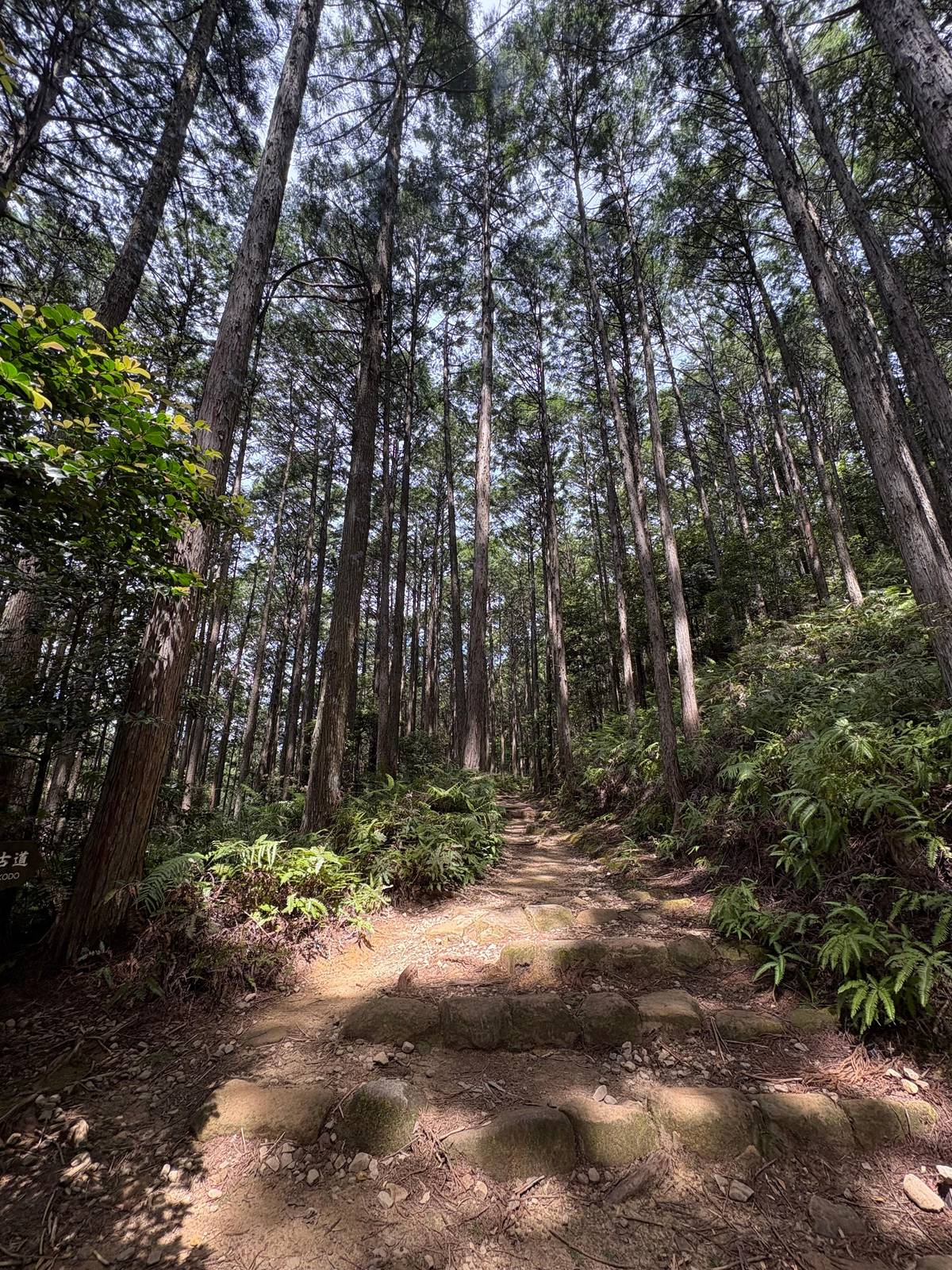
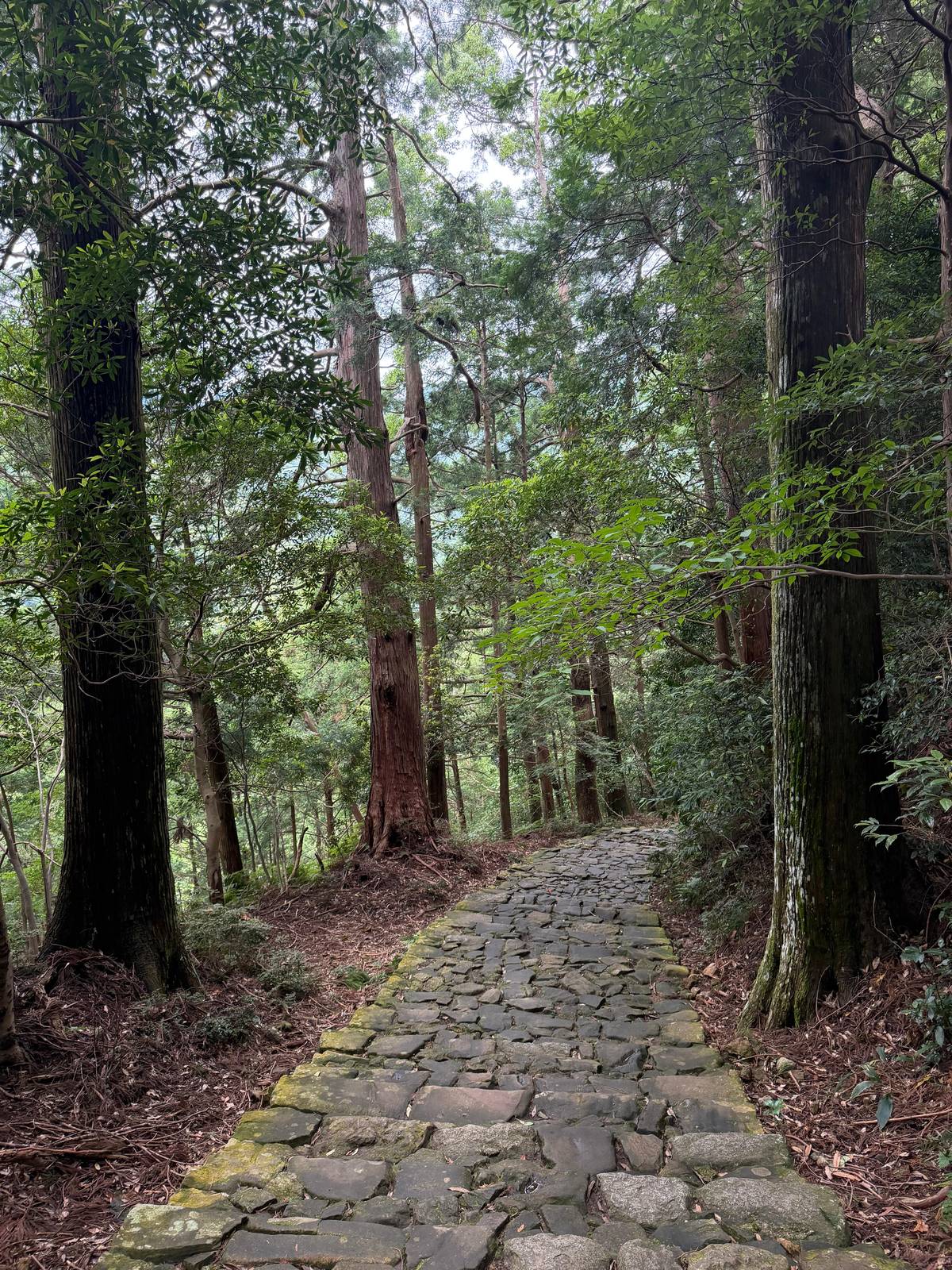
That difference is what you feel on the ground. On the Kumano Kodo you walk from shrine to shrine through deep forest, past small oji shrines and old teahouse sites. On the Nakasendo you walk from village to village, and the highlight of each day is a street of wooden inns and shops that looks much as it did centuries ago.
Two histories
10th century
The imperial family uses the Kumano road heavily.11
11th-13th c.
Almost 100 imperial journeys to Kumano.12
Late 15th c.
Most travellers to Kumano are now commoners.13
Early 17th c.
One of the five Gokaido linking Kyoto and Edo.4
July 2004
The Kumano routes join the UNESCO list.9
The whole Nakasendo ran from Sanjo Ohashi Bridge in Kyoto to Nihonbashi in Tokyo, 526.3 km.3 Few walk all of it; the best-preserved stretch is the Kiso Valley, mostly in Nagano, with 13 post towns, the best known being Tsumago, Magome and Narai.14
The Kumano Kodo is several routes rather than one. The best known, the Nakahechi, runs about 38 km from Takijiri-oji to Kumano Hongu Taisha, and about 30 km more over the mountains to Nachi.15 The Iseji is about 170 km and the Kohechi more than 65 km.1617
Both trails have a famous short walk for visitors with little time. On the Nakasendo it is Tsumago to Magome, about 2.5 to 3 hours.6 On the Kumano Kodo it is Hosshinmon-oji to Kumano Hongu Taisha, about 7.5 km and 2 to 3 hours.5 Either one gives you the flavour of the route in half a day.
Side by side
| Kumano Kodo | Nakasendo | |
|---|---|---|
| Built for | Pilgrimage to the shrines | Travel between Kyoto and Edo |
| Length | Nakahechi about 38 km to Hongu | 526.3 km in total |
| Classic short walk | Hosshinmon-oji to Hongu, 2 to 3 hrs | Tsumago to Magome, 2.5 to 3 hrs |
| Getting there | Train to Kii-Tanabe, then bus | JR Chuo line alongside |
From the Tanabe City Kumano Tourism Bureau and Nagano Prefecture's tourism association.141535671889
One day on each
This site's day tripCoach day from Osaka
 Guided hike
 Lowest price
Decision helper
Pick the line that sounds like you
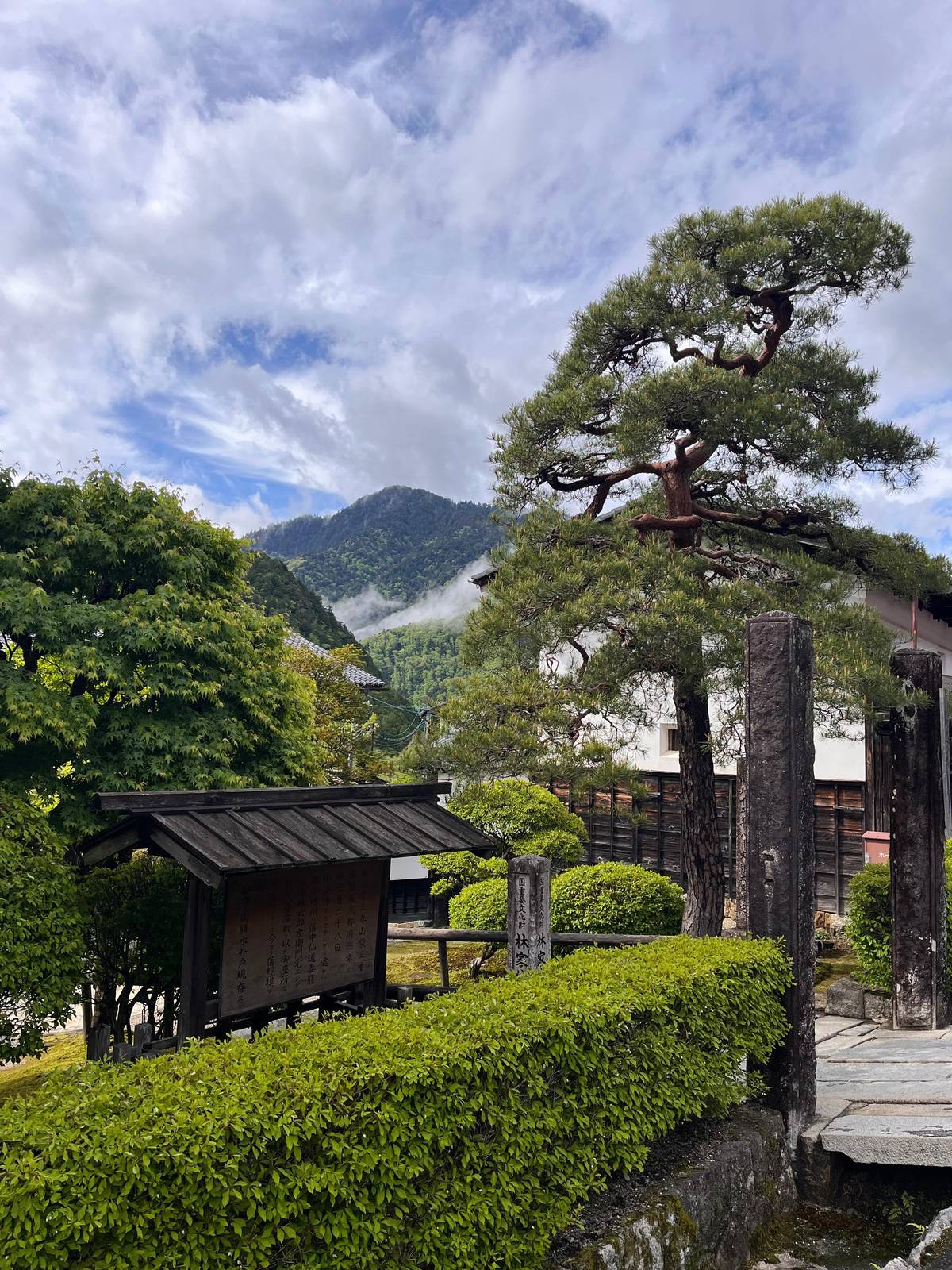
One of the five Gokaido Highways established in the early 17th century, the Nakasendo Trail crossed through the mountainous regions of central Japan to connect Kyoto and Edo.
The Kumano Kodo is the more demanding of the two once you go beyond the highlight walks. The tourism bureau describes it as not technically difficult but physically challenging, with steep climbs that people underestimate and few switchbacks.19 Its toughest section, the Ogumotori-goe, climbs about 1260 m in a day and is rated 5 of 5.7
The full Nakahechi stages are long too: Chikatsuyu-oji to Hongu is about 24.5 km and 9 to 12 hours.20 Walkers who want a real multi-day challenge in forest will find it here, and the Kohechi beyond is recommended for experienced hikers only.21
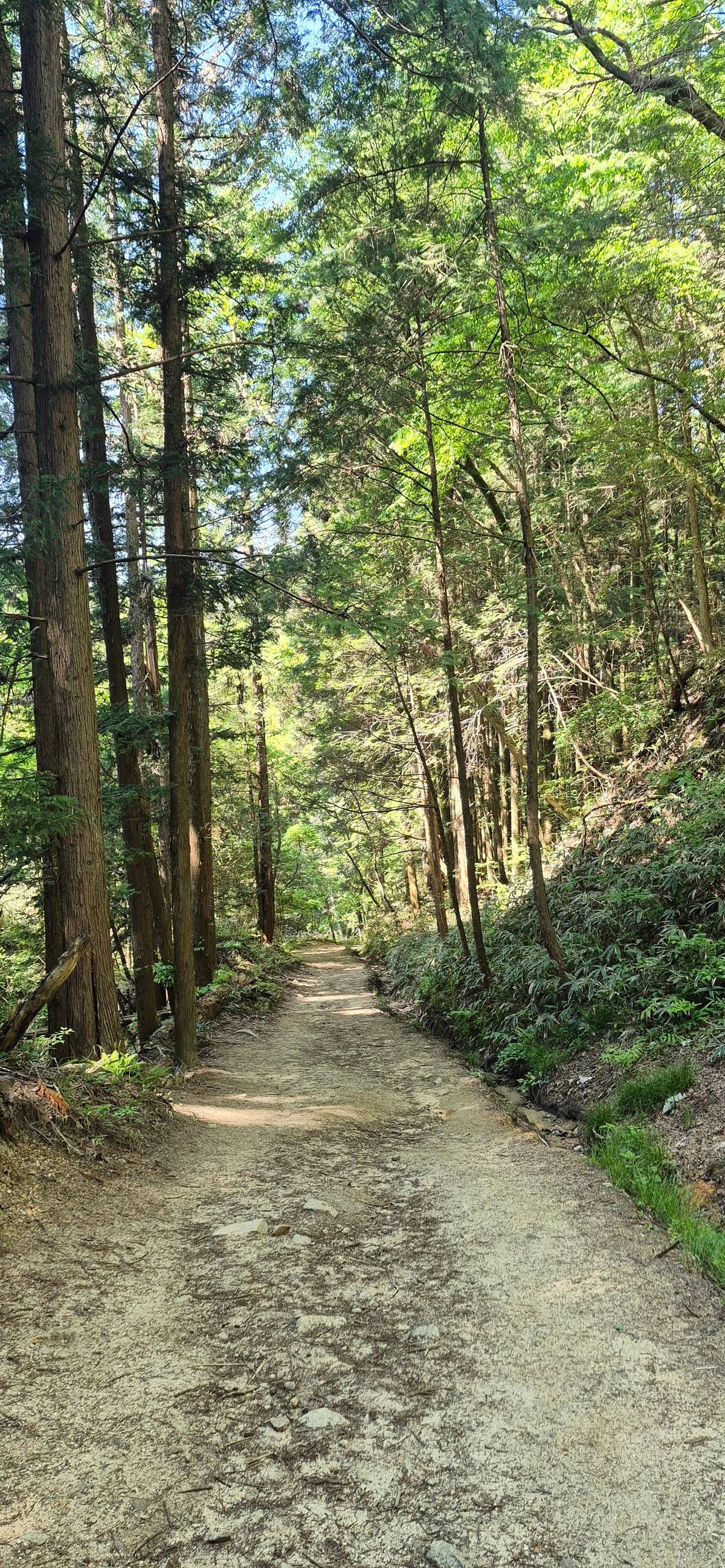
The classic Kiso Valley stretch of the Nakasendo is a walk of a few hours between post towns, on a path that winds through forest past small hamlets and waterfalls.622 It suits travellers who want an easy, cultural day on foot with a village at each end.
Checklist
Cost calculator
Enter your group size to compare a day tour on each trail.
Total from$206
pp from $103
Check availabilityfree cancellationTotals take the cheapest listed price of each Kumano trip on GetYourGuide times your head count, shown in your currency at today's ECB rate; checkout confirms what you actually pay.
Video
The video loads only when you tap play.
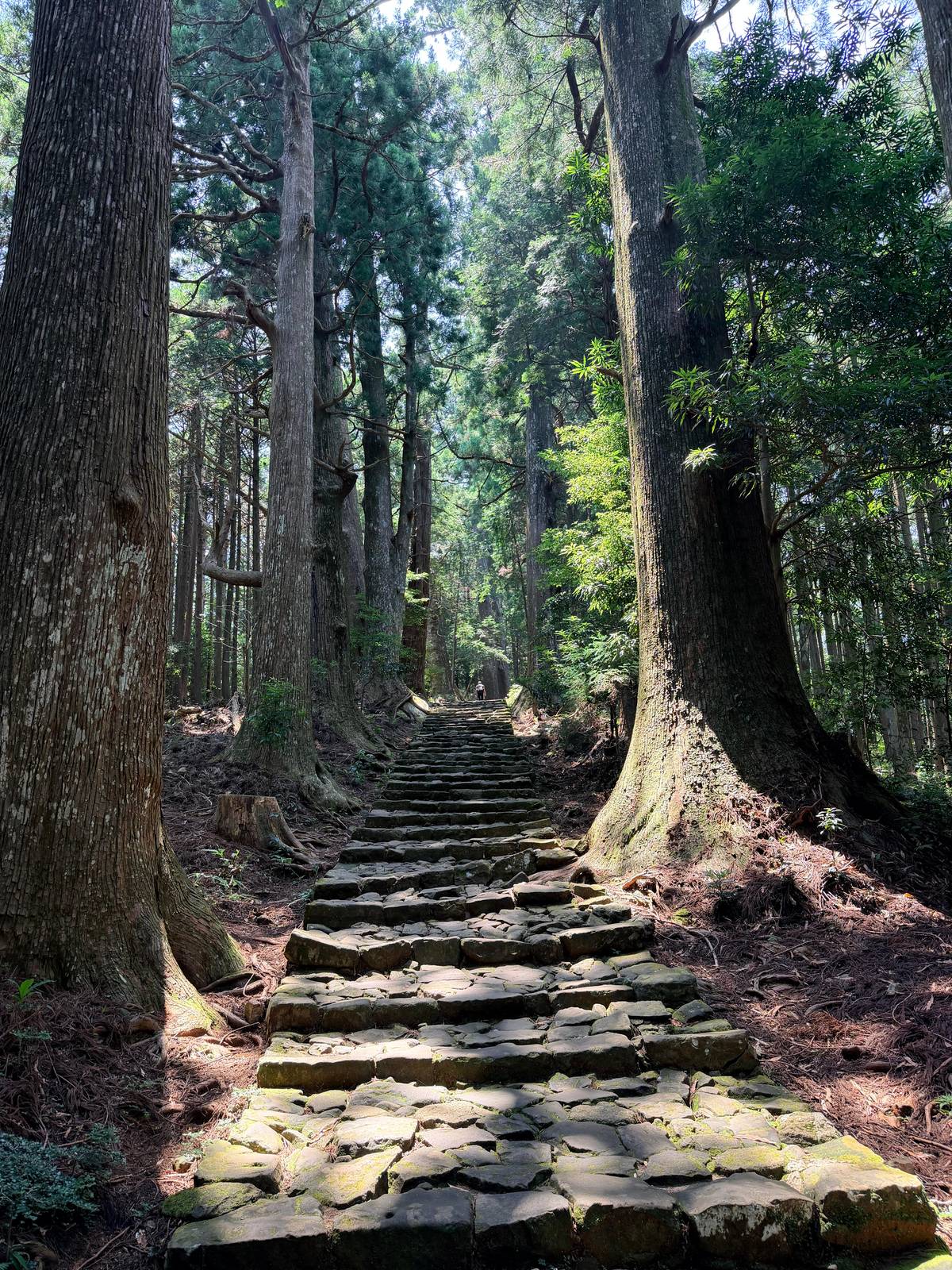
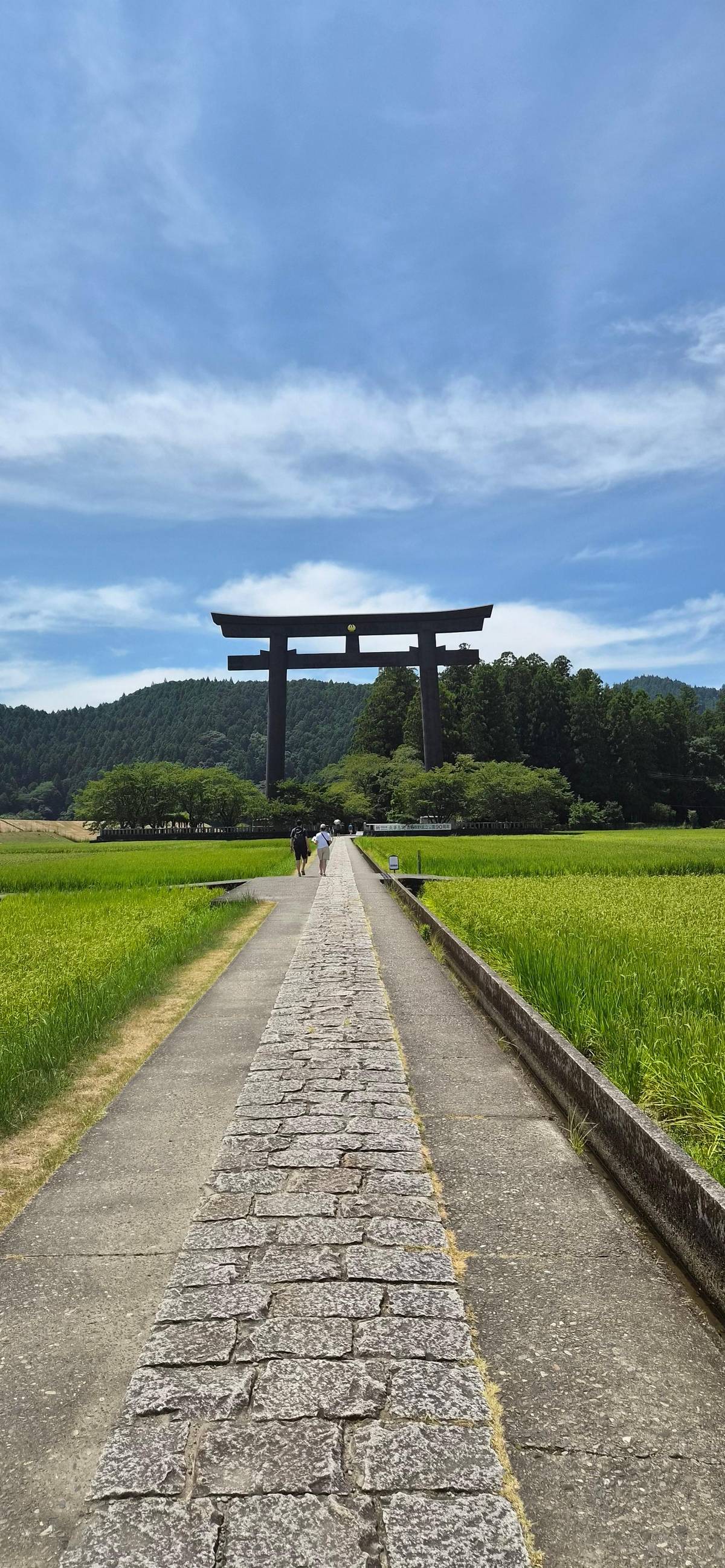
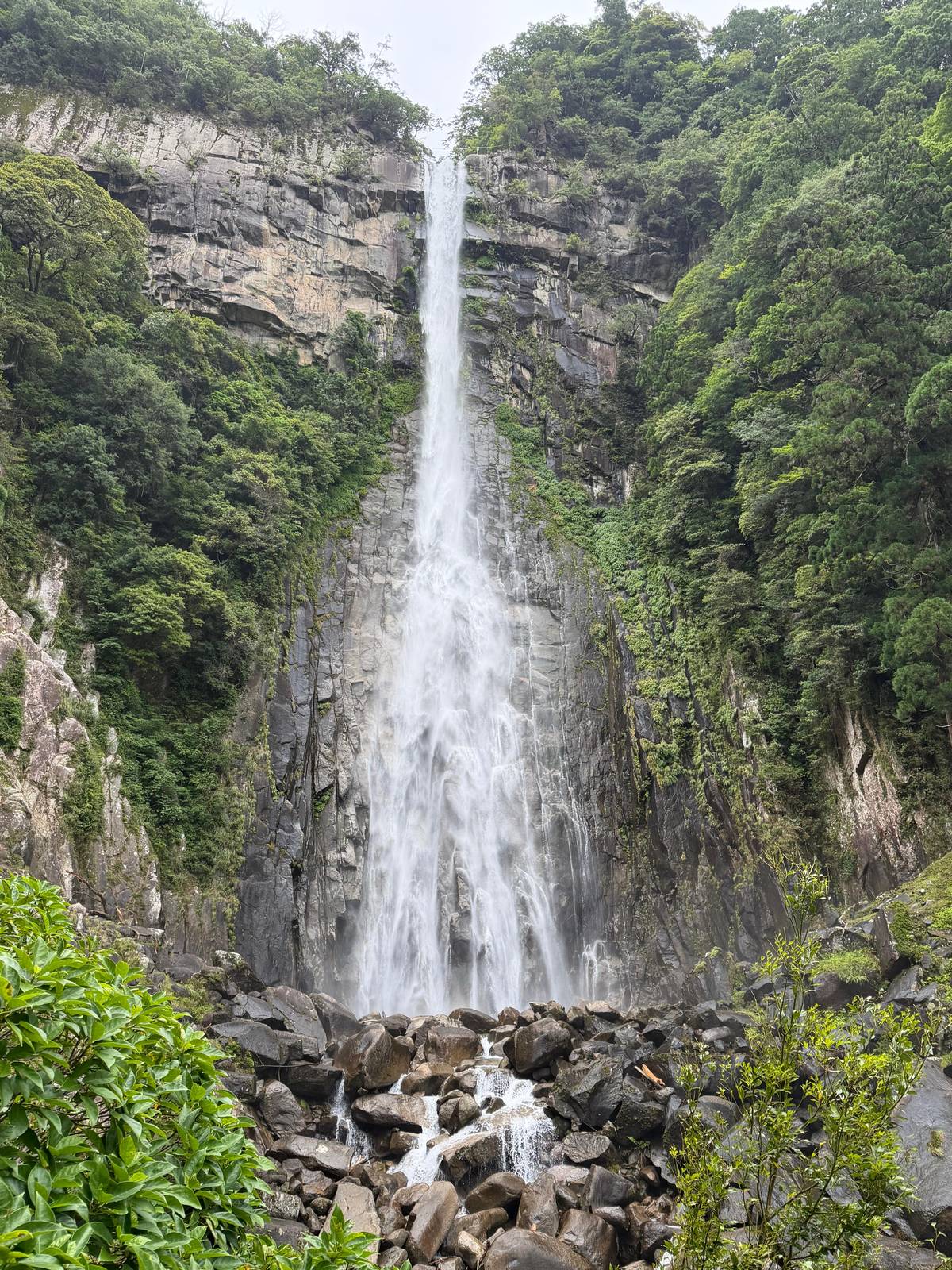
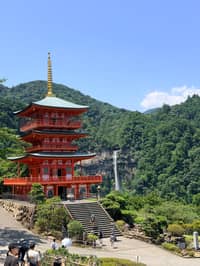
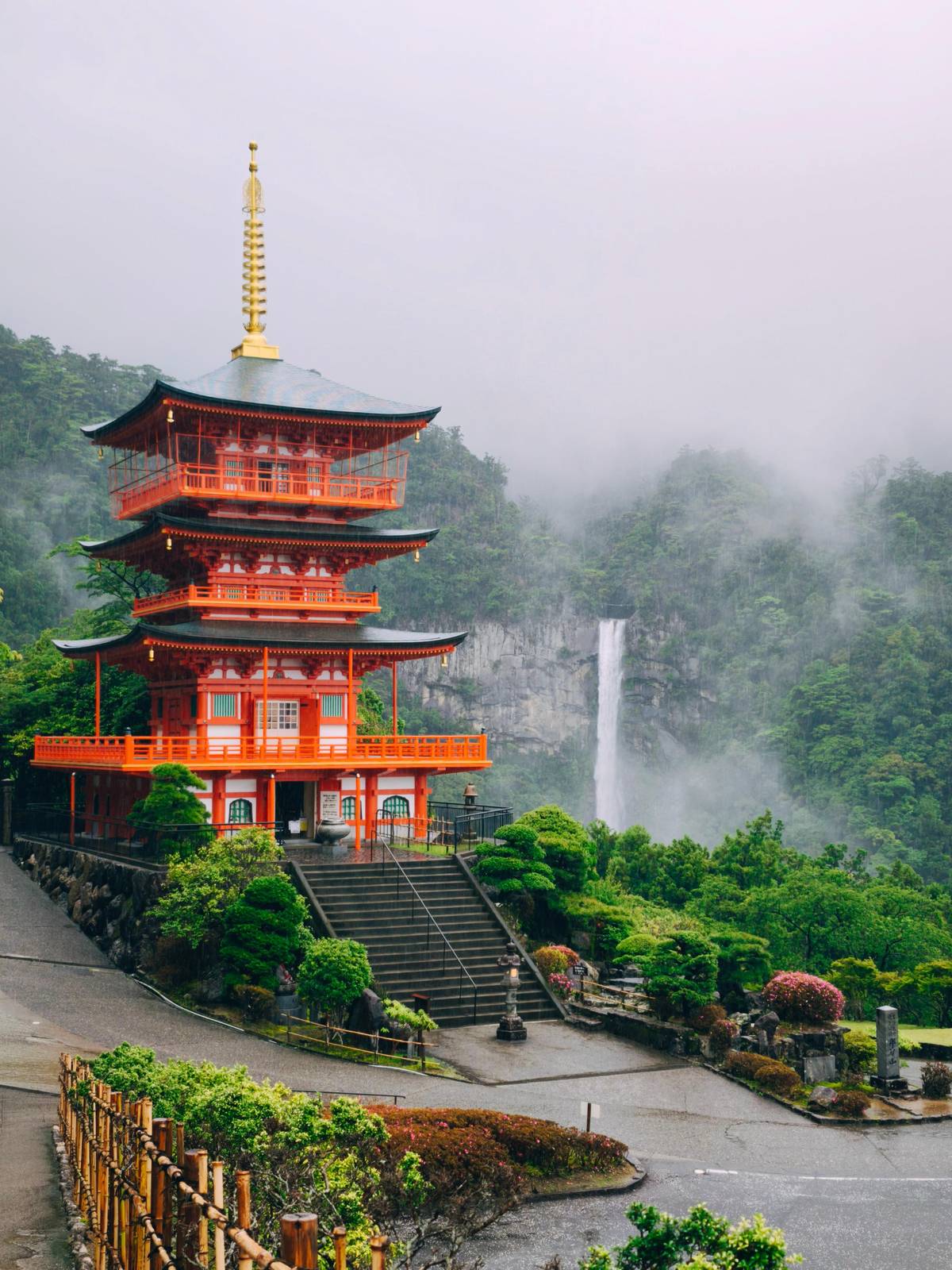
Kumano is about sacred places in nature. You climb stone stairs through cedar forest to Kumano Nachi Taisha and its waterfall, 133 m high, and finish at Kumano Hongu Taisha, head shrine of over 3,000 Kumano shrines.2324 Hot-spring villages such as Yunomine, discovered about 1,800 years ago, wait at the end of the day.25
The Nakasendo is about townscapes. Narai became the longest post town on the route, a full kilometre from end to end.26 Many sections of the old road and several post towns have stayed largely unchanged, thanks to the narrow valleys around them.27
If you love forest, shrines and the sense of a pilgrimage, choose Kumano. If you love old streets, wooden inns and the history of travel in Edo Japan, choose the Nakasendo. Many travellers who have time end up walking a highlight of both on the same trip.
The Nakasendo is the easier one to reach. In the Kiso Valley the JR Chuo line runs parallel to the old road, with stations close to the main post towns.8 For Magome you take the Chuo line to Nakatsugawa or Nagiso and then a local bus.28
Kumano lies at the far end of the Kii Peninsula. From Osaka the limited express Kuroshio reaches Kii-Tanabe in about 2 hours from Shin-Osaka, and local buses climb from there into the mountains.1829 The bureau notes that even the earliest connection from Osaka does not leave time for the full first stage on arrival day.30
So the Nakasendo fits more easily into a busy itinerary based in Nagoya, and Kumano rewards those who give it several nights. If you have only one day, both have coach tours: the one sold on this site visits all three Grand Shrines of Kumano from Osaka in 13 hours.
Both trails are at their best when you stay overnight. On the Nakasendo the tradition is the post town itself: in its heyday travellers rested each night in one of them.10 On the Kumano Kodo you sleep in small inns and family-run minshuku in mountain villages, or in hot-spring villages such as Yunomine near Hongu.3125
Kumano asks for more planning. Beds are limited in the villages, walking up without a booking is not usual in Japan, and the luggage shuttles that let you walk light must be booked at least 20 days ahead.3233 Leave yourself time to arrange it all before you fly.
Linking the two in one trip is easier than it looks on a map. From Nagoya, the gateway to the Kiso Valley, the JR Wideview Nanki limited express reaches Kii-Katsuura near Nachi in about 4 hours, stopping in Shingu.34 Walk Tsumago to Magome one day, ride south, and climb Daimon-zaka to Nachi Falls the next. Hongu and the onsen villages are then a bus ride away, and the Kuroshio takes you back to Osaka from the coast.
On the Nakasendo, a small-group hike from Nagoya for up to 14 people takes 8 hours, with 84 reviews and a 4.96 rating, from $187. A cheaper bus day to Magome, Tsumago and the Ena-kyo gorge takes 9 hours, from $50, with 104 reviews. From Matsumoto or Nagano, a day walking tour stops in Tsumago and Magome, from $187.
On the Kumano side, the coach day from Osaka sold on this site has 163 reviews and a rating of 4.85, from $103. It is a long day in a vehicle with a 20 to 40 minute walk on Daimon-zaka, while the Nakasendo listing from Nagoya is sold as a hike.
That is the honest trade-off in tour form. The Kumano day tour shows you the shrines and the falls; the Nakasendo hike gives you the walk itself. Pick by which matters more to you, or do the Kumano trail on foot over several days instead.
Your day in Kumano
Pick a date, meet in central Osaka, and cancel free up to 24 hours before.
The Kumano Kodo, beyond the highlights. Its mountain sections are steep; the Ogumotori-goe is rated 5 of 5.719
526.3 km in total. From Sanjo Ohashi Bridge in Kyoto to Nihonbashi in Tokyo; most walk only the Kiso Valley.314
About 2.5 to 3 hours. Nagano Prefecture's tourism association calls it the most popular Nakasendo hike.6
Hosshinmon-oji to Hongu. About 7.5 km and 2 to 3 hours, ending at Kumano Hongu Taisha.5
The Nakasendo. The JR Chuo line runs parallel to it, with stations near the post towns.8
Yes, since July 2004. It was registered by UNESCO in July 2004 as part of the Kii Mountain Range property.9
Yes, as highlight walks. A half-day on each fits a trip that passes Nagoya and Osaka.
Sources